
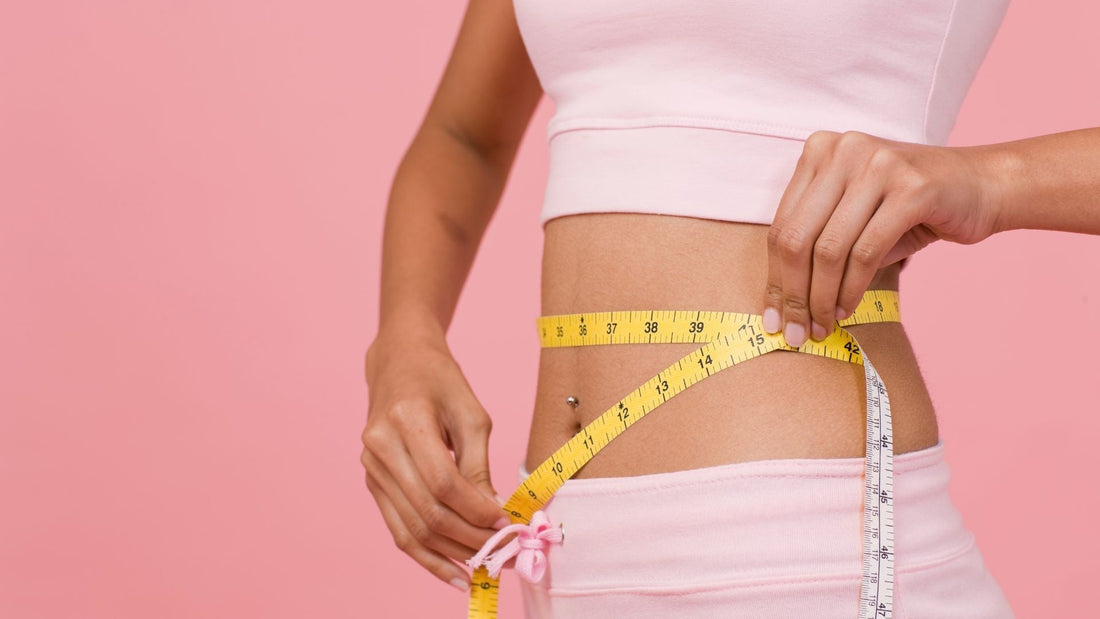
Red Light Therapy for Fat Loss
TL;DR
- Red light therapy supports fat loss through a documented cellular mechanism: light absorbed by fat cell mitochondria creates temporary pores in fat cell membranes, releasing stored triglycerides as free fatty acids that the body can then metabolise for energy.
- Clinical research documents meaningful circumference reductions in treated areas, particularly the waist, hips, and thighs. Red light therapy works best as a complement to diet and exercise rather than as a standalone fat loss intervention.
- The honest position is that red light therapy is not a weight loss treatment. It supports localised fat reduction and body contouring in specific areas, and its effects are most significant in people who are already following a healthy diet and exercise routine.
- Additional metabolic benefits include improved mitochondrial efficiency, collagen stimulation that reduces skin laxity following fat reduction, and anti-inflammatory effects relevant to the metabolic dysfunction associated with excess adipose tissue.
- Consistent use of two to three sessions per week over eight to twelve weeks produces the most meaningful results. Sporadic use does not produce the cumulative effects documented in research protocols.
Stubborn localised fat, particularly around the abdomen, hips, and thighs, is one of the most common complaints among people who are otherwise eating well and exercising regularly. Red light therapy has attracted genuine clinical interest as a non-invasive approach to targeted fat reduction and body contouring, with a growing evidence base that distinguishes it from the broader wellness trend category.
This article covers what actually happens to fat cells when exposed to red light, what the research shows, who is most likely to benefit, and how to use it effectively.
How Red Light Therapy Affects Fat Cells
The mechanism by which red light therapy influences fat cells is well characterised at a cellular level. When red and near-infrared light is absorbed by mitochondria in adipocytes (fat cells), it increases ATP production and triggers a specific response in the fat cell membrane: the formation of temporary transient pores that allow stored triglycerides to leak out of the cell as free fatty acids and glycerol.
These released fatty acids enter the lymphatic system and are subsequently available for the body to metabolise as fuel. The fat cells themselves are not destroyed, as they are in procedures like cryolipolysis or liposuction. Instead, they are temporarily emptied of their stored contents, which reduces their size and the visible circumference of the treated area.
This mechanism is distinct from the general mitochondrial activation mechanism that drives photobiomodulation effects in other tissue types. The specific adipocyte membrane response to red light at 635 to 660nm has been documented in multiple in vitro and clinical studies, giving the fat loss application a mechanistic basis that is different from the broader wellness claims sometimes associated with red light therapy.
For the released fatty acids to be metabolised rather than reabsorbed into fat cells, physical activity following sessions is important. This is why most effective protocols combine red light therapy sessions with exercise, allowing the body to use the released fatty acids as fuel during the subsequent activity period.
What the Research Shows
Circumference Reduction in Clinical Trials
A 2013 study published in Lasers in Surgery and Medicine found that participants who received low level laser therapy treatments on their waist, hips, and thighs experienced significant circumference reductions compared to a sham control group. The treated group showed meaningful reductions in total circumference across all three measurement sites, with results sustained at the follow-up assessment period.
A 2011 randomised controlled trial found that participants receiving LLLT to the waist, hips, thighs, and upper abdomen showed significantly greater circumference reductions than the placebo group after two weeks of treatment, with the researchers noting that the results were consistent across treatment sites and statistically significant.
Skin Tightening and Collagen Effects
A benefit that is often overlooked in the fat loss context is red light therapy's collagen stimulating effects. As fat volume reduces, skin elasticity becomes more relevant to the aesthetic outcome. Red light therapy's documented stimulation of fibroblast activity and collagen synthesis supports skin firmness in treated areas, reducing the skin laxity that can accompany localised fat reduction, particularly in areas like the abdomen and inner thighs.
The Honest Position on Weight Loss
It is important to be clear about what red light therapy does and does not do for body composition. The research documents localised circumference reductions in treated areas, not total body weight loss. The mechanism, temporary release of stored fat from adipocytes, requires subsequent physical activity for the released fatty acids to be metabolised rather than reabsorbed. Red light therapy used without exercise and dietary awareness is unlikely to produce meaningful or sustained results. Used as part of a structured approach that includes appropriate nutrition and regular physical activity, it provides a genuinely useful complementary tool for targeted areas that resist change through lifestyle alone.
Who Benefits Most
- People who are already following a balanced diet and exercise routine but have persistent localised fat in specific areas. This is where the targeted mechanism of red light therapy is most relevant.
- People wanting a non-invasive complement to fat loss efforts without the downtime, cost, or risks of surgical or clinical procedures.
- People managing menopausal body composition changes, where hormonal shifts drive increased abdominal fat accumulation that is resistant to standard dietary and exercise interventions.
- People using red light therapy for other goals such as skin health or muscle recovery who want to extend the benefit to body contouring with the same device.
How to Use Red Light Therapy for Fat Loss
- Target the specific areas you want to treat. Position the device directly against or very close to the treatment area for maximum irradiance delivery to the fat tissue beneath the skin.
- Session duration: 10 to 20 minutes per area, two to three times per week.
- Exercise after sessions where possible. Physical activity in the 30 to 60 minutes following a session allows the body to use the released fatty acids as fuel rather than reabsorbing them into fat cells.
- Consistent use over eight to twelve weeks is needed for meaningful visible results. Early circumference changes may be noticeable at four to six weeks, with more visible contouring at eight to twelve weeks.
- Combine with appropriate nutrition and hydration. Red light therapy complements but does not replace dietary awareness in a fat loss context.
StreamShop Devices for Fat Loss
Red Light Therapy Belt ($149.99)
StreamShop's red light therapy belt delivers 660nm and 850nm at 120 mW/cm² across 105 dual-chip LEDs in a 126cm x 18cm wearable format compatible with a power bank. For abdominal fat loss applications, the belt wraps directly around the waist and sits against the skin throughout the session, delivering the direct-contact irradiance that maximises fat cell membrane response. The hands-free wearable format makes it easy to combine sessions with light activity, and the 660nm wavelength aligns with the primary therapeutic wavelength used in fat loss clinical trials.
SS100 Class IIa Medical Grade Panel
StreamShop's SS100 class IIa medical grade panel delivers 160 mW/cm² or above at 15cm across nine wavelengths including 660nm and 850nm through a 30-degree focusing lens. The compact 32 x 23cm format makes it easy to position directly over specific treatment areas including the abdomen, hips, or thighs for targeted sessions. At 160 mW/cm² it delivers a high irradiance dose to the treatment area in shorter sessions than lower-powered devices, and per-wavelength dimming allows the 660nm channel to be prioritised for fat loss protocols where the red wavelength is most relevant.
SS300 Pro Class IIa Medical Grade Panel
StreamShop's SS300 Pro class IIa medical grade panel delivers 175.1 mW/cm² at 15cm across nine wavelengths at 92cm in length. For people wanting to treat larger body areas including the full abdomen, both thighs simultaneously, or the lower back and hips in a single session position, the SS300 Pro's larger treatment coverage is more efficient than the SS100. The 30-degree lens maintains irradiance at greater distances, allowing the panel to cover broader areas while still delivering a meaningful therapeutic dose.
Red Light Therapy Laser Mat with 1064nm
StreamShop's red light therapy laser mat with 1064nm covers the full body in a single session across six wavelengths including 660nm, 830nm, 850nm, 940nm, and 1064nm at 110 mW/cm² over a 1.8m x 80cm surface. For people wanting to address fat loss alongside broader metabolic health, inflammation reduction, and overall body composition support in a single daily session, the laser mat provides the most comprehensive coverage. The systemic anti-inflammatory and metabolic effects of full-body photobiomodulation complement the localised fat cell mechanism for people with broader body composition goals.
Frequently Asked Questions
Does Red Light Therapy Help With Fat Loss?
Yes, for localised fat reduction and body contouring. Clinical trials document meaningful circumference reductions in treated areas including the waist, hips, and thighs. The mechanism, temporary release of stored triglycerides from fat cell membranes, is well characterised and distinct from general wellness claims. Red light therapy is most effective as a complement to diet and exercise rather than a standalone fat loss intervention.
Does Red Light Therapy Help You Lose Weight?
Not directly in the sense of total body weight reduction. The research documents localised circumference reductions in treated areas rather than changes in total body weight. For meaningful results, the fatty acids released during sessions need to be metabolised through subsequent physical activity. Combined with appropriate nutrition and exercise, it supports targeted body contouring in specific areas.
How Long Does Red Light Therapy Take to Show Fat Loss Results?
Early circumference changes may be noticeable at four to six weeks of consistent use. More visible body contouring typically develops over eight to twelve weeks. Most clinical trials run for six to twelve weeks before assessing outcomes, which is the appropriate timeframe for evaluating whether a protocol is producing meaningful results.
How Often Should I Use Red Light Therapy for Fat Loss?
Two to three sessions per week of 10 to 20 minutes per treatment area is the most common protocol across published research. Combining sessions with exercise in the subsequent hour maximises the metabolic use of released fatty acids. Consistency over weeks produces the cumulative effects documented in clinical trials.
Which Body Areas Respond Best to Red Light Therapy for Fat Loss?
The waist, hips, thighs, and upper abdomen are the areas most studied in clinical trials and the areas where the most consistent circumference reductions have been documented. These are also the areas where stubborn localised fat is most commonly reported by people who are otherwise at a healthy weight and exercise regularly.
Is Red Light Therapy Safe for Fat Loss?
Yes. Red and near-infrared light is non-ionising and does not damage tissue at therapeutic doses. The fat cell membrane response is temporary and reversible. Side effects are rare and limited to mild warmth or temporary redness at the treatment site. Red light therapy does not interact with dietary supplements or medications commonly used alongside fat loss protocols.